At Home Skin Care Devices
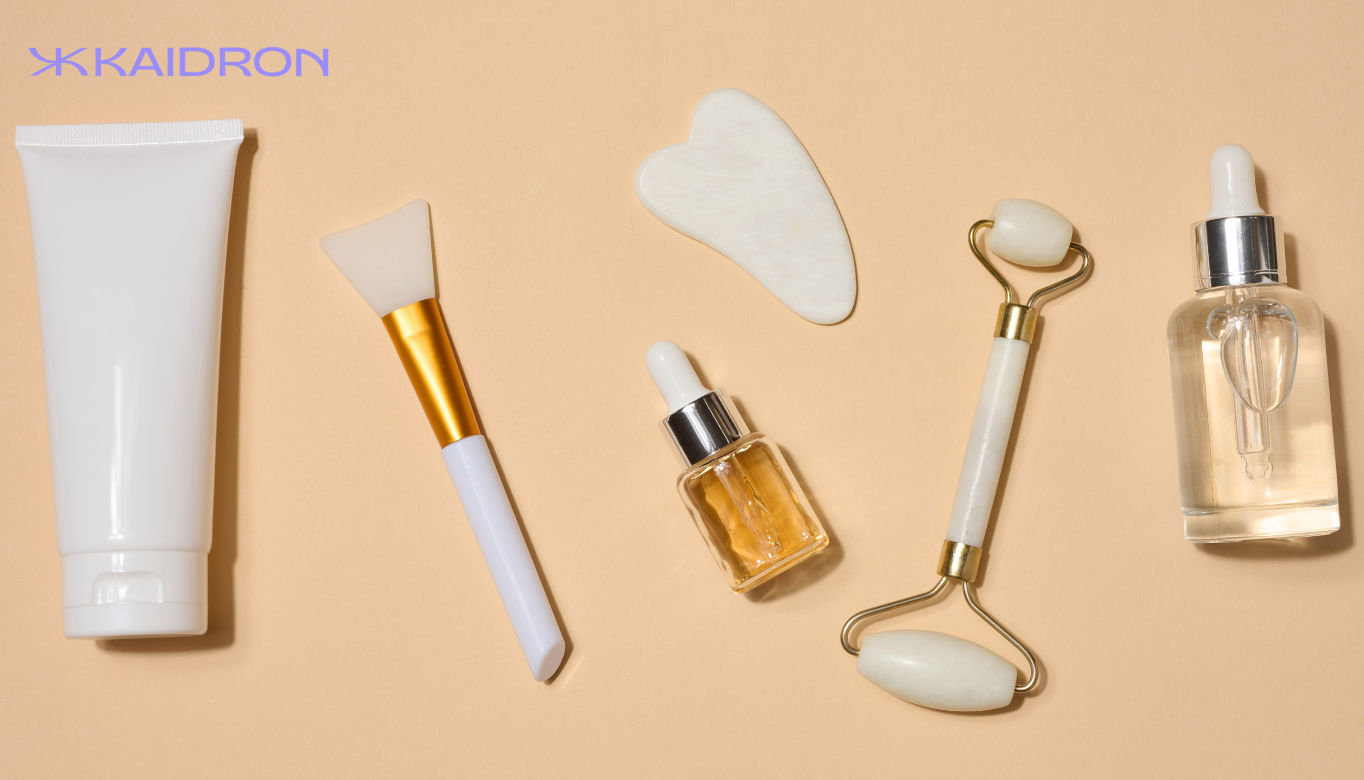
The bathroom shelf is being upgraded. At-home skincare devices — once the preserve of professional clinics and early-adopter budgets — have crossed into the mainstream, and our community is deep into experimenting with them. From jade rollers to advanced LED masks, from microcurrent face-lifting tools to AI-powered skin analysis devices, the technology on offer has never been more sophisticated, more accessible, or more confusing to navigate.
This week we surveyed our community on everything to do with at-home skincare devices: what they already own and use, how often they reach for them, what results they're actually seeing, and where frustrations are quietly building. We also asked about appetite for the next wave of innovation — and the numbers reveal a community that is genuinely hungry for more, as long as the price, the proof, and the instructions are right.
For brands in the device space, the findings here are a detailed brief on what this audience wants from a product and what has let them down before. The barriers are real and worth designing around. But so is the opportunity: cost aside, the category still generates more desire than it does disappointment — and the appetite for next-generation technology is extraordinary.
The Devices Already on the Shelf
Before asking what the community wants next, it is worth understanding what they already use. The picture is one of widespread adoption at the accessible end of the market — cleansing tools and manual massage devices dominate — with more clinical technologies still at the margins. That gap between what is owned and what is desired tells its own story about price and accessibility.
What the Community Is Actually Getting Out of Them
The results picture is more nuanced than either devotees or sceptics would suggest. Meaningful numbers are seeing real benefits — improved texture and brighter complexions lead the way. But satisfaction levels remain moderate, and a significant portion of users are either underwhelmed or undecided. The category is delivering — just not consistently enough yet.
"Nearly half the community sits at neutral on satisfaction. They're using devices. They're not abandoning them. But they haven't been convinced yet — and the twin barriers of cost and unclear results suggest that better education and clearer proof of efficacy would move a significant number of undecideds into advocates."
The Device They Actually Want to Buy
Anti-ageing leads desire by some distance. But the more telling finding is around multi-functionality: nearly three quarters of the community prefer a device that addresses multiple concerns over one that specialises in a single area. Ease of use, fast results, and multi-functionality are the three features that matter most — and they speak directly to a consumer who is time-poor, results-driven, and wary of investing in something that only does one thing.
want a device that targets multiple skincare concerns — not one that specialises in a single area. Multi-functionality is not a nice-to-have. For this community, it is the product brief.
The Next Device — and How They'll Decide to Buy It
The appetite for next-generation skincare technology is striking. Advanced LED masks, smart connected devices, and at-home skin tightening tools all attract interest from more than three quarters of the community. But desire and conversion are not the same thing — and when it comes to the moment of purchase, social proof and independent research carry far more weight than any advertising format.
"72% research online reviews before committing to a device purchase, and 67% want to see real results from real people. Yet 46% doubt effectiveness and 30% report seeing no benefit from devices they already own. The community is not resistant to this category. They are waiting for someone to give them proof they can trust."
What They're Willing to Spend
High cost is the single most-cited barrier in this survey — appearing in both the challenges with current devices and the concerns about trying new ones. Yet the spend data tells a more interesting story: the community is not simply price-sensitive. The majority are willing to invest meaningfully, provided the device meets their needs. Over half would spend at least £100, and nearly two fifths would go to £200 or beyond.
would spend £100 or more on a new at-home skincare device — and nearly four in ten would go to £200 or beyond. Cost is the barrier, but value is the key. The community will spend, when they're convinced it's worth it.
"At-home skincare devices are in a persuasion moment. The community has the devices, some of the time — but satisfaction is still earning its way. The next wave of innovation is almost universally desired. The brands that close the gap between aspiration and proof, between high price tags and clear results, will find a community ready to commit."
Want to reach an audience that actually acts on what they see?
This data belongs to a community of active beauty consumers — people who save, share, and recreate content daily. If you're a brand or creator looking to connect with them, let's talk.
Book a Call