The Truth About Beauty Content
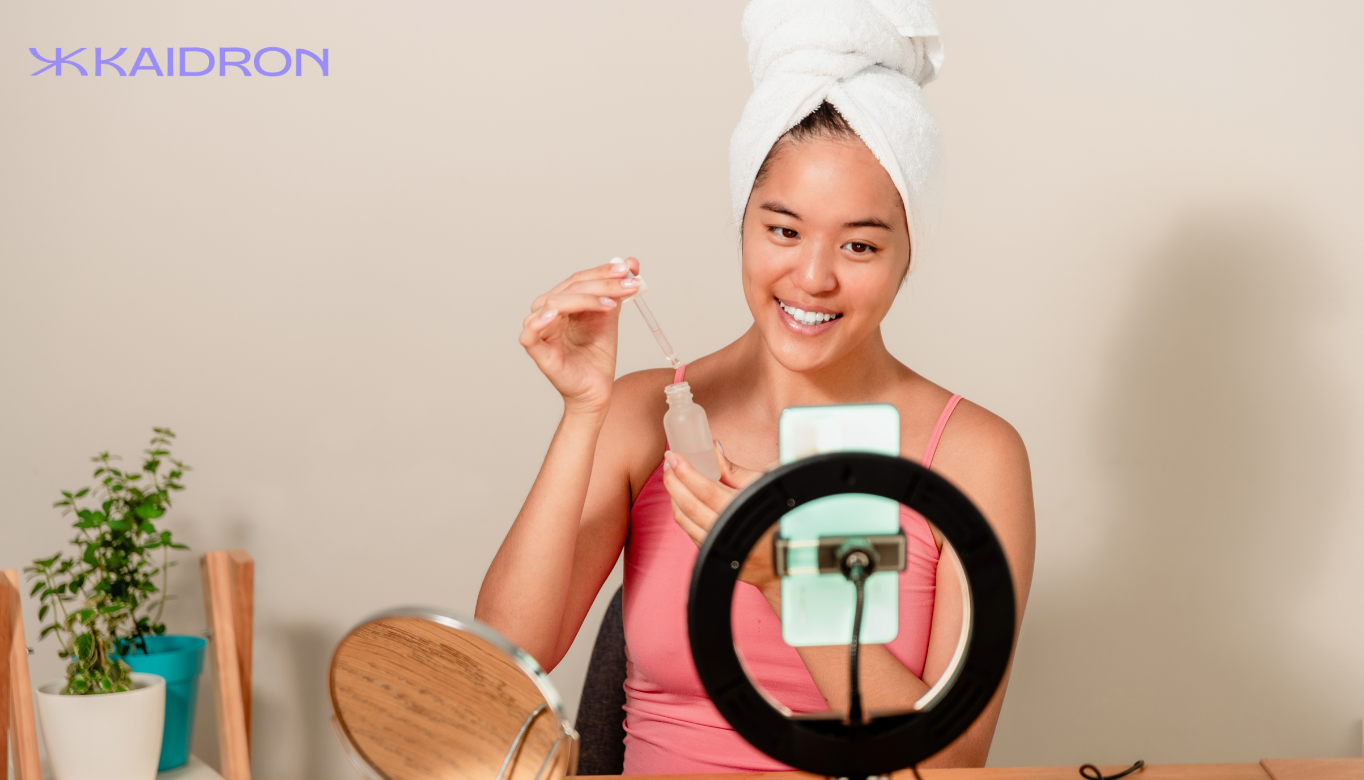
The Truth About Beauty Content
Beauty content is everywhere — but what actually makes it land? This week the Kaidron community weighed in on the platforms they use, the creators they trust, and the qualities that determine whether they watch, save, follow, or scroll straight past. The findings reveal a community that is deeply engaged with beauty content, discerning about quality, and increasingly allergic to anything that feels manufactured.
The data is unambiguous on several fronts. Short-form video has all but colonised the category, and the sweet spot in duration is longer than the platforms would have you believe. More striking still, the community has a clear and consistent intolerance for filters, hard-sell tactics, and scripts — three things that still dominate a great deal of branded beauty output.
For brands, creators, and anyone building a beauty presence in the current landscape, these findings are a precise brief. Authenticity is not a mood board direction — it is a quantified preference with real commercial stakes. What this community saves, shares, and recreates tells you exactly where the opportunity is.
Where Beauty Happens
Short-form video has reshaped how this community discovers and consumes beauty content. But format alone isn't the whole story — duration preferences reveal a sweet spot that challenges the race to zero seconds.
"The fastest content isn't the most wanted. Nearly 6 in 10 prefer videos of at least 30 seconds — time enough to actually show something real."
prefer videos 30 seconds or longer
are primarily short-form video viewers
name 30–60 seconds as their ideal length — the single biggest cohort
What Stops the Scroll
Six factors drive whether the community pauses on beauty content. Visible results and product demonstrations dominate — but relatability and an honest tone are not far behind. The pattern is consistent: show real things to real people.
Authenticity & Trust
The community's position on polished vs. real is nuanced — they want balance, not chaos. But they are unequivocal about what kills trust: filters, a sales pitch, and unrealistic claims top a list of immediate turn-offs that reads like a brief for a more honest category.
cite overly filtered content as the single biggest immediate turn-off — placing it above "too salesy" (19%) and "unrealistic claims" (18%). Filters are no longer aspirational. They signal dishonesty.
The Immediate Turn-Offs
When asked what kills beauty content instantly, the community's answers form a coherent picture: they want less selling, less gloss, and more genuine transparency. Every item in this list is within a brand's or creator's direct control.
"Representation is not a nice-to-have. 71% engage more with creators who look like them — making relatability one of the most commercially important signals in the category."
engage more with creators who share their skin type, tone, or age
say seeing the product actually being used is extremely or very important
prefer content that is entirely or mostly raw and authentic
Follow, Save & Act
Engagement in this community is active, not passive. The majority save or share beauty content on a daily basis, and nearly 8 in 10 have gone so far as to recreate a look or routine they saw online. The question for creators is what earns that level of trust — and the answer is unambiguous.
have recreated a look or routine they discovered through social content. Beauty content is not entertainment — it is active instruction.
Want to reach an audience that actually acts on what they see?
This data belongs to a community of active beauty consumers — people who save, share, and recreate content daily. If you're a brand or creator looking to connect with them, let's talk.
Book a Call